
Compare
Kavala vs Philippi — Which Is Best for Cruise Passengers?
Your ship docks at Kavala harbour — but the UNESCO-listed colony inland is why many itineraries stop here. Here is how to choose where to spend your hours.
Distance
Kavala: at harbour | Philippi: 18 km northwest
Travel time
City: 0 min | Philippi: 25–30 min each way
Time needed
Kavala: 2–4 hours | Philippi: 2–3 hours
Cruise passengers face a geography question at Kavala: explore the amphitheatrical Old Town, Kamares aqueduct and harbour tavernas at the pier, or invest transfer time to Ancient Philippi 18 km northwest. The two experiences share a region but little else — one is a layered Ottoman and Byzantine port climbing a headland; the other is among Greece's most important Roman and early Christian landscapes. Most passengers with adequate port time choose Philippi via excursion; this guide helps you decide the balance.
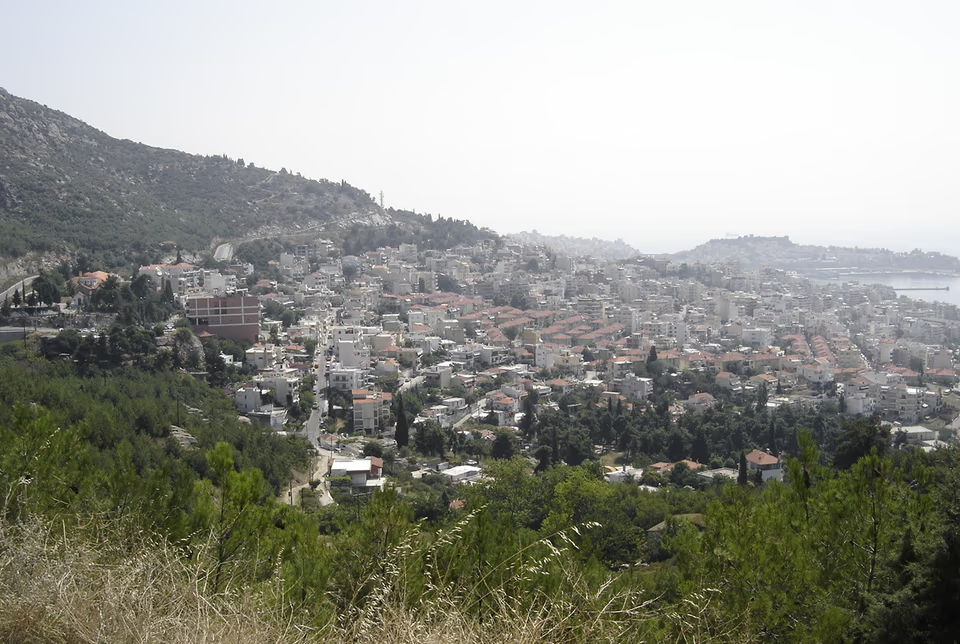
Kavala spreads from the cruise harbour up to the Panagia peninsula. You can walk from the gangway to seafood restaurants, climb through pastel houses to the Imaret and aqueduct, and photograph the fortress skyline without boarding a coach. Return-to-ship confidence is maximal — you control every minute. The trade-off is that you will not stand in a Roman forum or visit Lydia's baptism site unless you head inland.
Ancient Philippi demands roughly 50–70 minutes of round-trip driving plus two to three hours on site for a visit that feels complete. In return you walk a UNESCO-listed colony, climb a theatre with forum views and encounter the Acts 16 narrative in its geographical context. Summer heat on exposed paths is real; spring and autumn visits are more forgiving. Organised excursions make logistics straightforward and align returns with your ship's schedule.
The best answer for many passengers is sequenced: Philippi in the morning when temperatures are lower, then an hour in Kavala Old Town before all-aboard if your tour returns early. On six-hour port calls, choose one focus. On eight-hour-plus calls, combine Philippi with harbour lunch or aqueduct photography on the return leg. Your ship's time in port is the decisive variable.
How to get there
| Method | Detail | Time | Cost |
|---|---|---|---|
| On foot from pier | Harbour tavernas and lower town — immediate access | 2–10 min walk | Free |
| Uphill to Old Town | Panagia quarter, Imaret, aqueduct — steep lanes | 15–25 min climb | Free |
| Philippi excursion coach | Guided inland transfer with timed return | 25–30 min each way | Excursion price |
| Taxi to Philippi | Independent round trip — negotiate wait time | 30–45 min each way | €60–100 |
Decision matrix by port call length
| Hours ashore | Recommended focus | Rationale |
|---|---|---|
| 4–5 | Kavala harbour + partial Old Town | Insufficient time for Philippi transfers |
| 6 | Philippi highlights OR Kavala depth | Choose one; do not attempt both fully |
| 7–8 | Philippi excursion | Standard sweet spot for inland visit |
| 9–10 | Philippi + Old Town or food tour | Enough buffer for combination |
Typical time split — combination day
| Segment | Duration | Activity |
|---|---|---|
| Transfer out | 30 min | Coach to Philippi |
| Philippi ruins | 90 min | Forum, theatre, basilicas |
| Baptistery | 30 min | Lydia site |
| Transfer back | 30 min | Return to harbour |
| Kavala free time | 45–60 min | Aqueduct, coffee, harbour walk |
Kavala vs Philippi at a glance
| Ancient Philippi | Kavala city | |
|---|---|---|
| Distance from pier | 18 km | 0 km |
| Cultural significance | UNESCO / Acts 16 | Ottoman, Byzantine, harbour |
| Walking intensity | Moderate on ruins | Moderate uphill in Old Town |
| Summer heat | High (exposed site) | Moderate (sea breeze at pier) |
| Dining | Limited near ruins | Excellent harbour tavernas |
| Return confidence | High on tours | Very high |
Excursion types matched to preference
| Preference | Best fit | Example focus |
|---|---|---|
| Maximum history | Philippi + baptistery tour | Full archaeological visit |
| Minimum stress | Kavala highlights walk | Harbour and aqueduct |
| Balanced day | Philippi with city stop | Morning ruins, afternoon Old Town |
| Food and culture | Harbour meze lunch | Seafood and bougatsa locally |
Did you know?
Photography tips
- Harbour shots work in soft morning light before tour coaches fill the quay.
- Philippi's theatre panorama is the inland counterpart — plan for both if you split the day.
- The aqueduct frames dramatically from below or across the ravine.
- Avoid scheduling Old Town climbs at midday in August — harsh light and heat compound.
Highlights
- Kavala — harbour dining, Ottoman Imaret, Kamares aqueduct
- Philippi — Roman forum, theatre, Lydia Baptistery
- Combined tours — heritage morning, city free time on return
- Old Town views over the Aegean and Thassos on clear days
- Gateway to Philippi — port identity at a glance
Tips for cruise passengers
- Match your choice to port hours — short calls favour Kavala
- Book Philippi tours for morning departure in summer
- Wear grippy shoes for Old Town cobbles if you climb after Philippi
- Do not underestimate baptistery time when comparing options
- Ask whether Old Town free time is included on Philippi tour returns
Return-to-ship confidence
Kavala harbour offers the highest return confidence — you are always minutes from the pier. Philippi excursions from reputable operators also score High on standard port days. Mixing both without a tour requires careful self-scheduling.
Prefer a guided tour?
Philippi Tour from Kavala
A Macedonian city where Roman power met early Christianity — Philippi's ruins in a single, well-paced port day from Kavala.
Essential Kavala cruise planning
Philippi from Kavala Cruise Port
Walk a UNESCO-listed Roman colony where marble forums, a hillside theatre and the story of Apostle Paul converge — the defining shore day from Kavala harbour.
Kavala Old Town Guide
Ottoman mansions, Byzantine walls and laundry-strung lanes cascade toward the harbour — Kavala's upper town is the Aegean's most theatrical urban climb.
One Day in Kavala from a Cruise Ship
From a harbour coffee to a full Philippi immersion — realistic hour-by-hour plans built around how long your ship actually stays.
Is Philippi Worth Visiting from a Cruise Ship?
A UNESCO Roman colony and cornerstone of early Christian history — but only if your port time, mobility and heat tolerance align with the inland transfer.
Need help choosing?
Tell us your ship and interests
We match Kavala shore excursions to your port window with honest return-to-ship advice — Philippi, Old Town and northern Greek culture.
Kavala vs Philippi — Which Is Best for Cruise Passengers? — FAQs
Should I visit Philippi or stay in Kavala?▼
If you have seven or more usable hours and any interest in Roman or early Christian history, Philippi is the stronger choice. Stay in Kavala on short port calls or if you want a relaxed urban and dining day without transfers.
Can I do both Philippi and Kavala in one day?▼
Yes on eight-hour-plus port calls, usually via an excursion that returns with time to spare before all-aboard. Six-hour calls force you to pick one focus.
Is Kavala Old Town worth any time at all?▼
Yes — even Philippi-focused passengers often enjoy 45–60 minutes for the aqueduct, Imaret exterior and harbour coffee. The uphill lanes reward comfortable shoes.
Which option is better for seniors?▼
Kavala harbour is easier — flatter near the pier. Philippi is rewarding but involves uneven terrain and heat. Old Town climbs are steep; consider a taxi up and walk down.
Which is better for families with young children?▼
Philippi can captivate kids at the theatre, but heat and walking challenge toddlers. Kavala harbour offers easier logistics; some families split activities.
Do I need a tour for Philippi?▼
Not strictly, but organised excursions deliver guiding, tickets and return timing that independent taxis require you to manage yourself. Acts 16 context benefits from licensed commentary.
Where should I eat — harbour or after Philippi?▼
Harbour tavernas suit cruise schedules — you are closer to the pier after eating. Picnic-style snacking near Philippi is limited; plan lunch in Kavala on return.